
Soil Contamination Testing & Solutions
We specialise in soil contamination investigations across Canterbury and the wider South Island, providing timely and affordable advice that helps our clients identify risks early, find practical solutions, and keep their projects moving.
Who we help
We support a wide range of clients with soil contamination concerns – from businesses and councils, to private homeowners and landowners.
Whether you’re planning a development, purchasing land, responding to council requirements or managing soil on site, we provide clear, practical advice tailored to your specific project needs, budget and timeline.
Why us?
Soil contamination issues can slow a project down quickly – our aim is to clear the roadblocks to get your project moving again.




Fast, clear communication
We respond quickly, explain things in plain language, and work to meet your deadline.
Specialist expertise
We bring decades of soil contamination experience, backed by a problem-solving mindset.
Practical project advice
We provide clear scope, transparent costs and realistic solutions tailored to your project.
On-site XRF testing
Our specialist equipment provides instant field results, saving you time and unnecessary costs.
Approachable, hands-on team
Our small, nimble team means you communicate directly with our environmental scientists.
Ready to get started?
Get a quoteCore services
All work is carried out in accordance with local rules, regulations and New Zealand legislation, and is completed or overseen by a Suitably Qualified and Experienced Practitioner (SQEP).

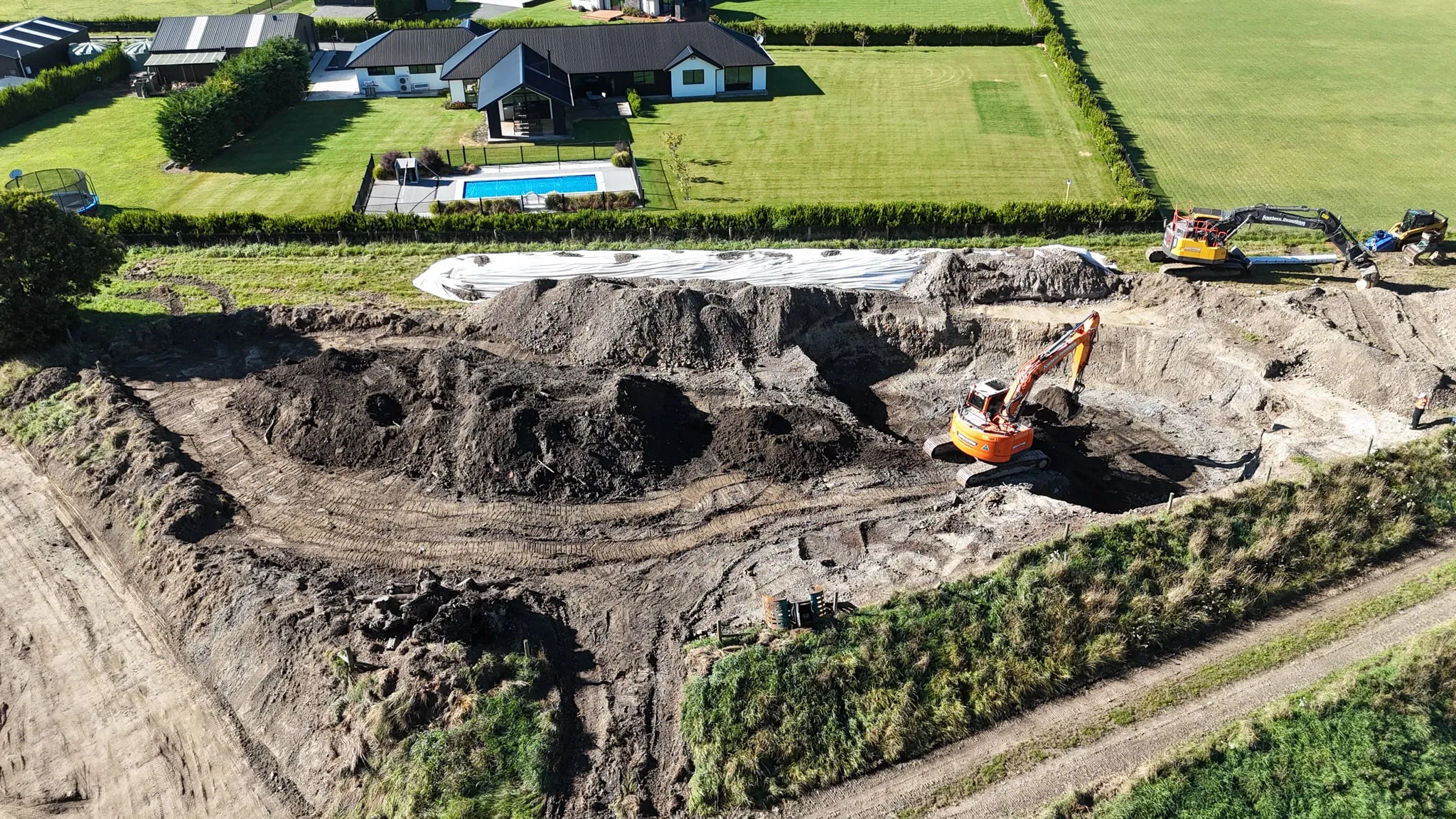
Preliminary Site Investigations
Research into site history to identify potential soil contamination risk.
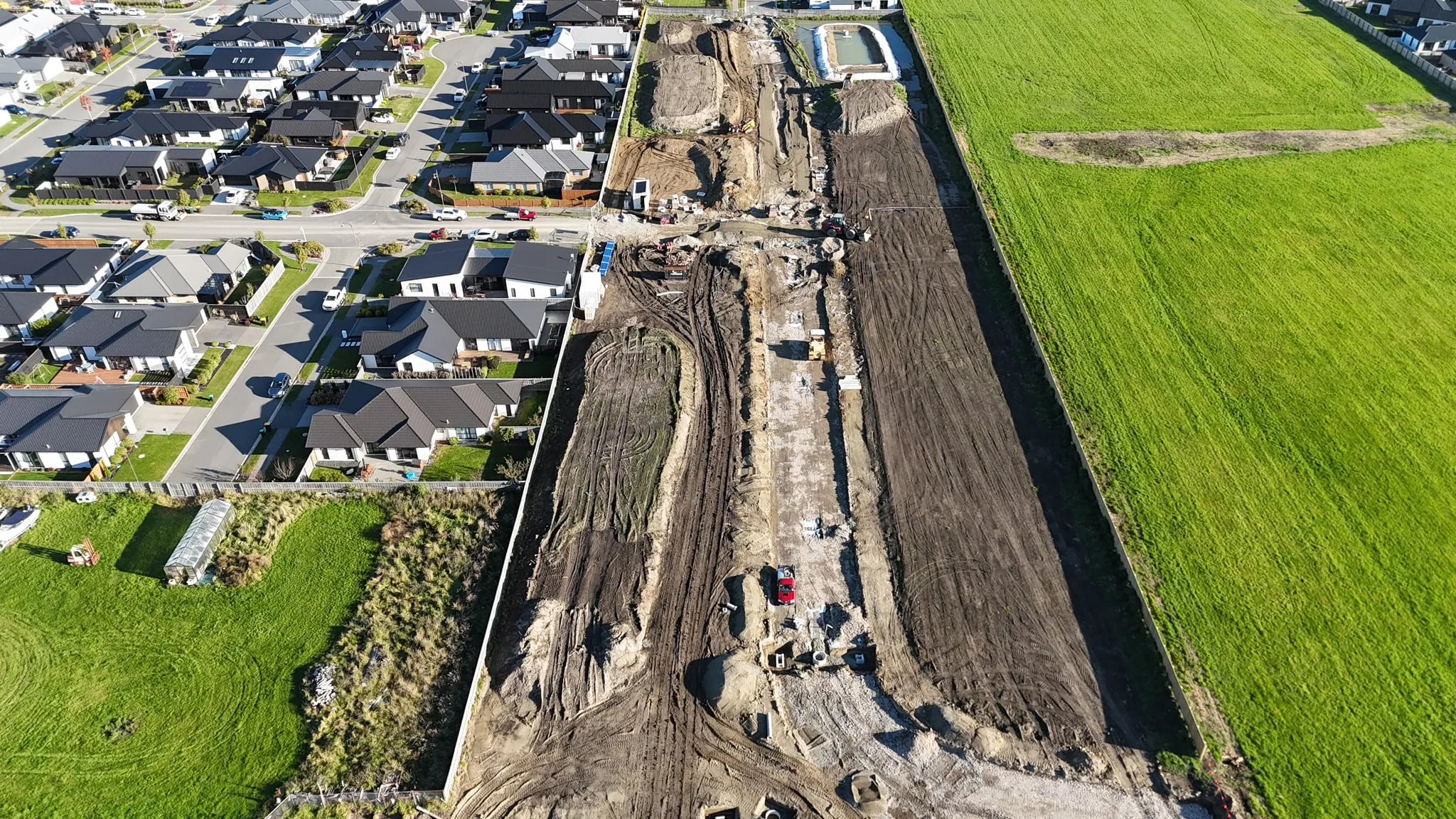
Detailed Site Investigations
Soil sampling and testing to determine contamination levels and outline next steps.
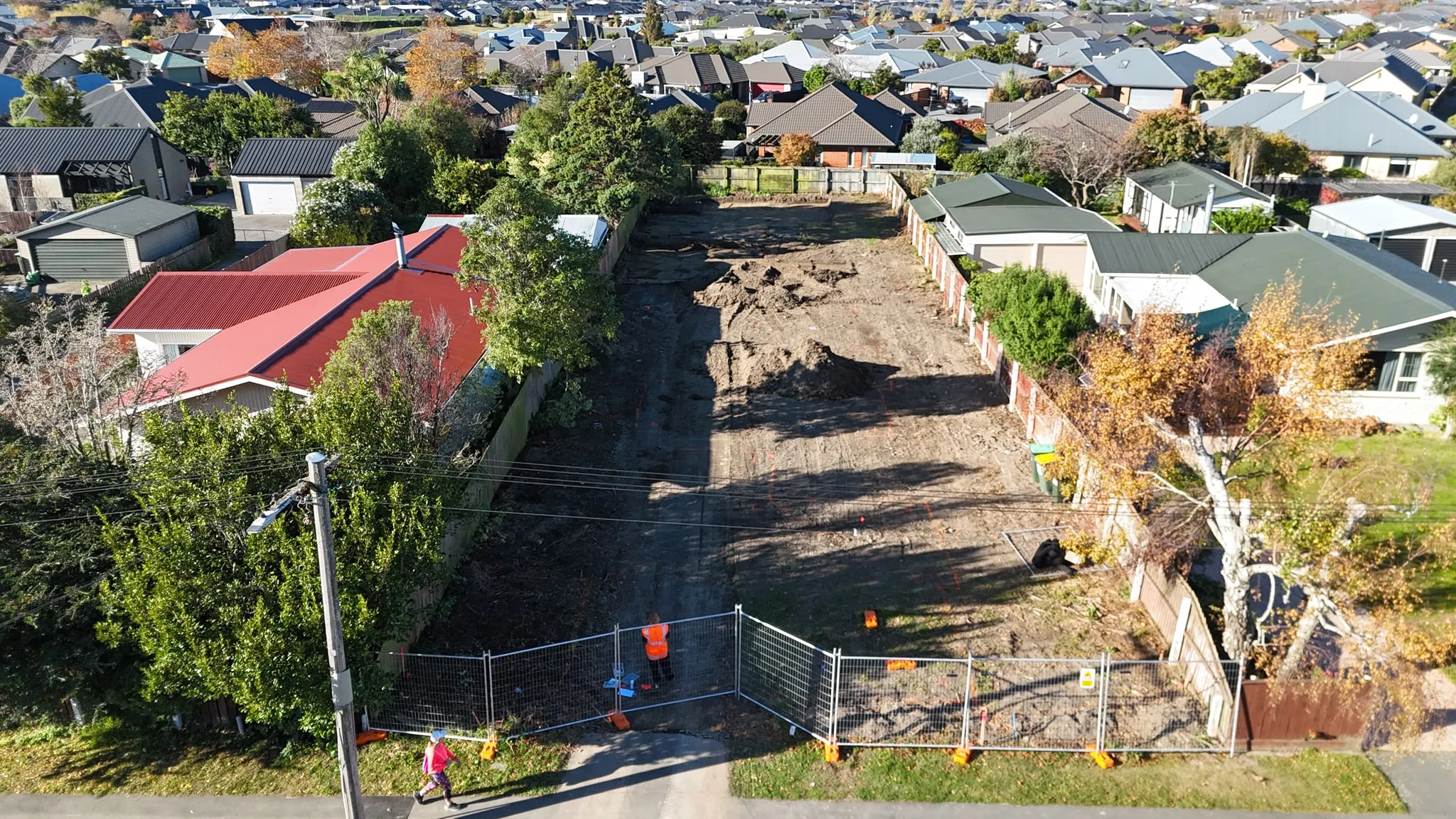
Pre-Purchase Due Diligence
Fast, practical advice before land purchase to assess soil contamination risk.
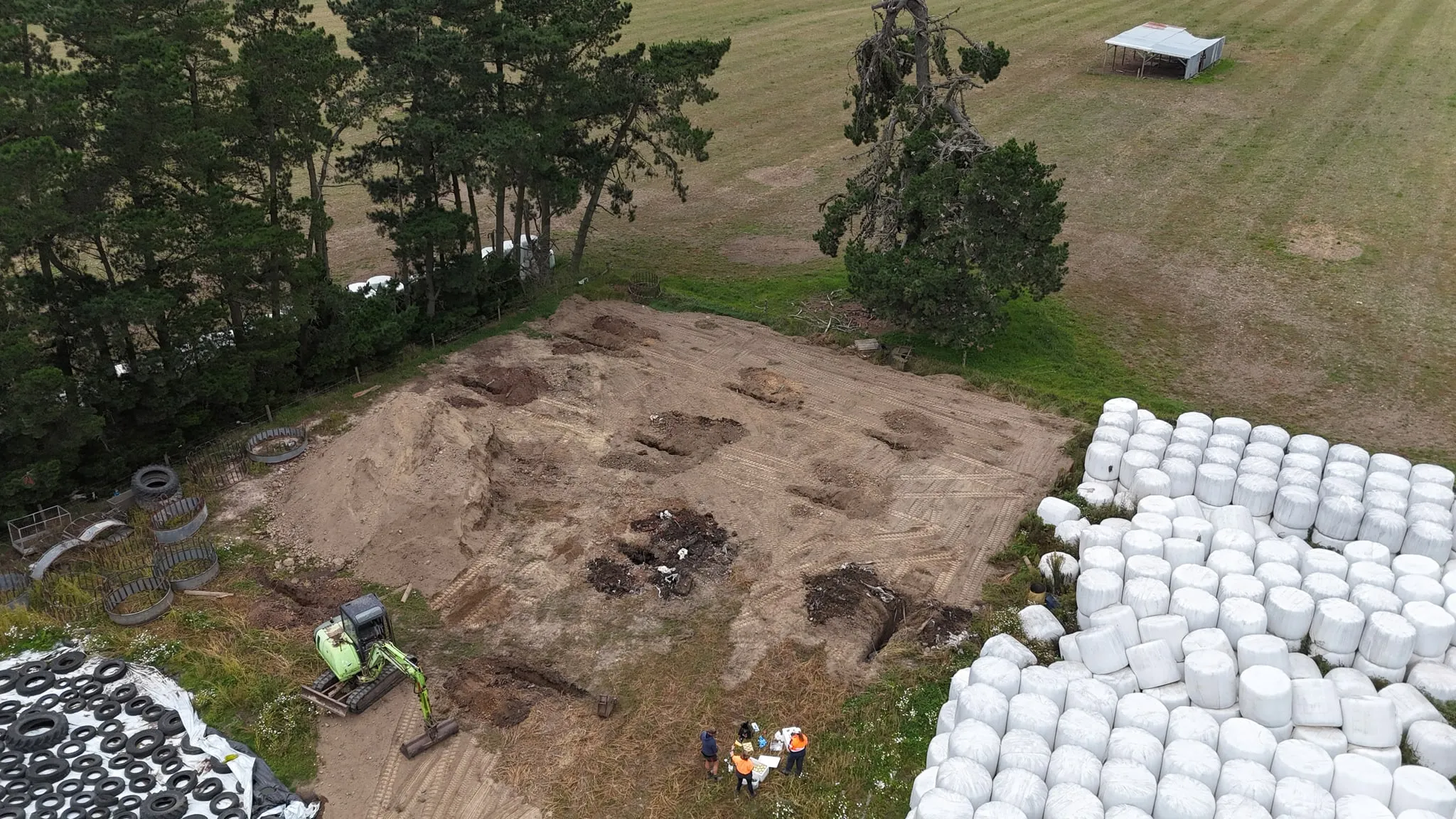
Soil Waste Management
Guidance on soil characterisation, disposal options and potential re-use.
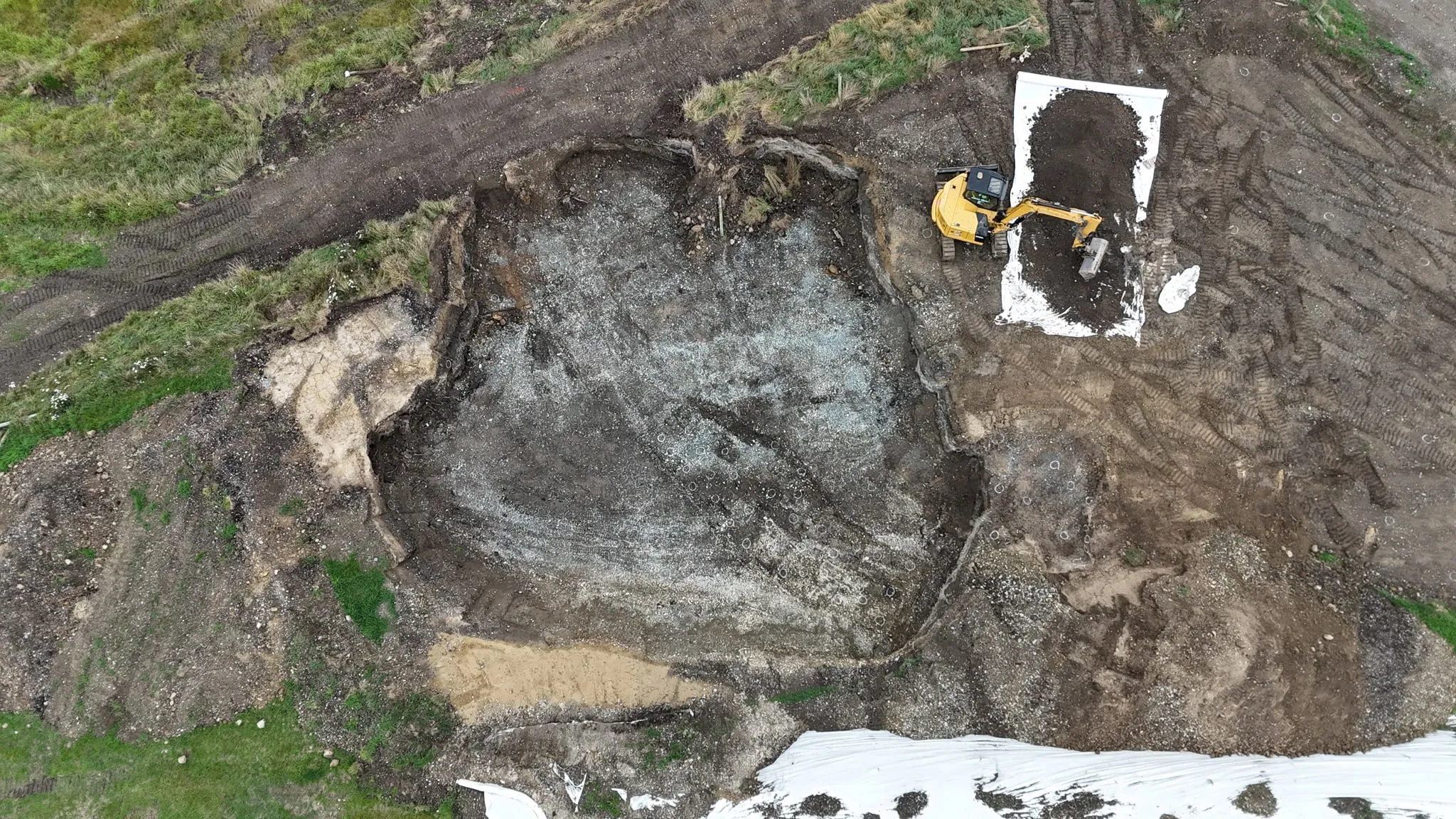
Additional services
Remediation Action Plans:
A tailored strategy for managing or remediating contaminated soil.
Remediation Site Supervision:
On-site support and guidance during remediation to help mitigate unnecessary costs.
Site Validation Reports:
Validation sampling and reporting to confirm remediation goals have been met.
Ongoing Site Management Plans:
Practical long-term controls for safely managing contamination on site.
Environmental Planning/Compliance Support:
Assistance with Resource Consents for land where soil contamination is present.
Meet the team

Hollie Griffith
BEMP, CEnvP

Hollie has worked in the environmental industry since 2015, specialising in soil contamination investigations since 2016. After joining Momentum Environmental in 2019, Hollie took over ownership in October 2025. Hollie is a Certified Environmental Practitioner (CEnvP).

Fran Hobkirk
BSc (Hons)
Fran holds a degree in Earth Science and joined Momentum Environmental in 2016. With experience in all stages of contaminated land investigations, and expertise in XRF use and interpretation, Fran is Momentum’s go-to specialist for bioavailability assessments in Canterbury.

Julia Hopkins
BSc
Julia holds a Bachelor of Science degree, majoring in Environmental Science and Geography. Julia joined Momentum Environmental in 2025 and is rapidly learning how to apply her expertise to soil contamination investigations.
Our process
Enquire
Send us your project and site details via email, phone, or enquiry form.
Scope and quote
We’ll assess your requirements and provide a quote tailored to your project.
Investigate
We carry out the required research, site work, sampling, testing or assessment,
Report and Support
You’ll receive clear reporting, practical next steps and ongoing support as required.
Frequently
asked questions
Land is considered contaminated when hazardous substances are present in soil, groundwater or site materials at levels that could pose a risk to human health or the environment.
When hazardous substances have not been used, stored or disposed of safely, the soil can become contaminated. In the past, the use of hazardous substances was often less controlled than they are today. Sometimes this contamination is still present many years after the hazardous land use has stopped.
Contamination is not always intentional. It can also result from historical building products, old site practices, spills or activities that were once common but are no longer considered acceptable.
A site may be considered potentially contaminated if a current or historical activity on the property is listed on the Ministry for the Environment’s Hazardous Activities and Industries List, commonly known as HAIL.
Councils keep registers of potentially contaminated sites, which reference the HAIL. Councils review historical aerial photographs, property file and consenting information, and other information to identify potentially contaminated sites and list them on the register.
Councils are also informed by consultants and the reports we produce are later linked to the site via the register. It is important to note that not every site on a council register is contaminated, and just because your site isn’t on the register doesn’t mean it’s not contaminated.
The contaminated land regulations are often triggered by certain activities such as subdivision, a change in land use, or disturbance of soils. If you are proposing one of these activities, Councils should require an investigation into the presence of contaminated land.
Send us the information you have received from Council, along with a brief outline of what you are proposing on the site. We can then provide a quote setting out what is required, the likely timeframe and the cost.
Due diligence is an important step when buying or selling land that may be contaminated. Understanding the potential risks early can help avoid unexpected costs, delays or future compliance issues.
We can attend the site for inspection, carry out XRF screening or soil sampling to assist in advising you on the contamination status of the site. Because remediation of contaminated land can be costly, it is important to have the right information before committing to a purchase or sale.
Disturbing contaminated soil may require Resource Consent. In some cases, Resource Consent may not be required, but the soil still needs to be managed and disposed of appropriately.
Fill operators and disposal facilities need to be confident that any soil they accept meets their acceptance criteria. We can help by completing disposal sampling and provide you with the information you need to manage or dispose of the soil appropriately.
Get in touch
Contact us for a no-obligation quote, or to find out how we can help keep your project moving.